
The Outdoor Sports School Operations Flywheel
How bookings, operations, equipment, reports, insights and rebooking can form a growth flywheel for outdoor sports schools.
Read full articleThe best outdoor sports schools do not treat every booking as an isolated transaction.
They turn each booking into operational data, better service, smarter inventory decisions, repeat bookings and new revenue.
That is the operations flywheel.
TIDEFORCE is built to support this flywheel.
Step 1: The customer books
The flywheel starts when a customer books a course, rental, event, shuttle, accommodation request, voucher or shop product.
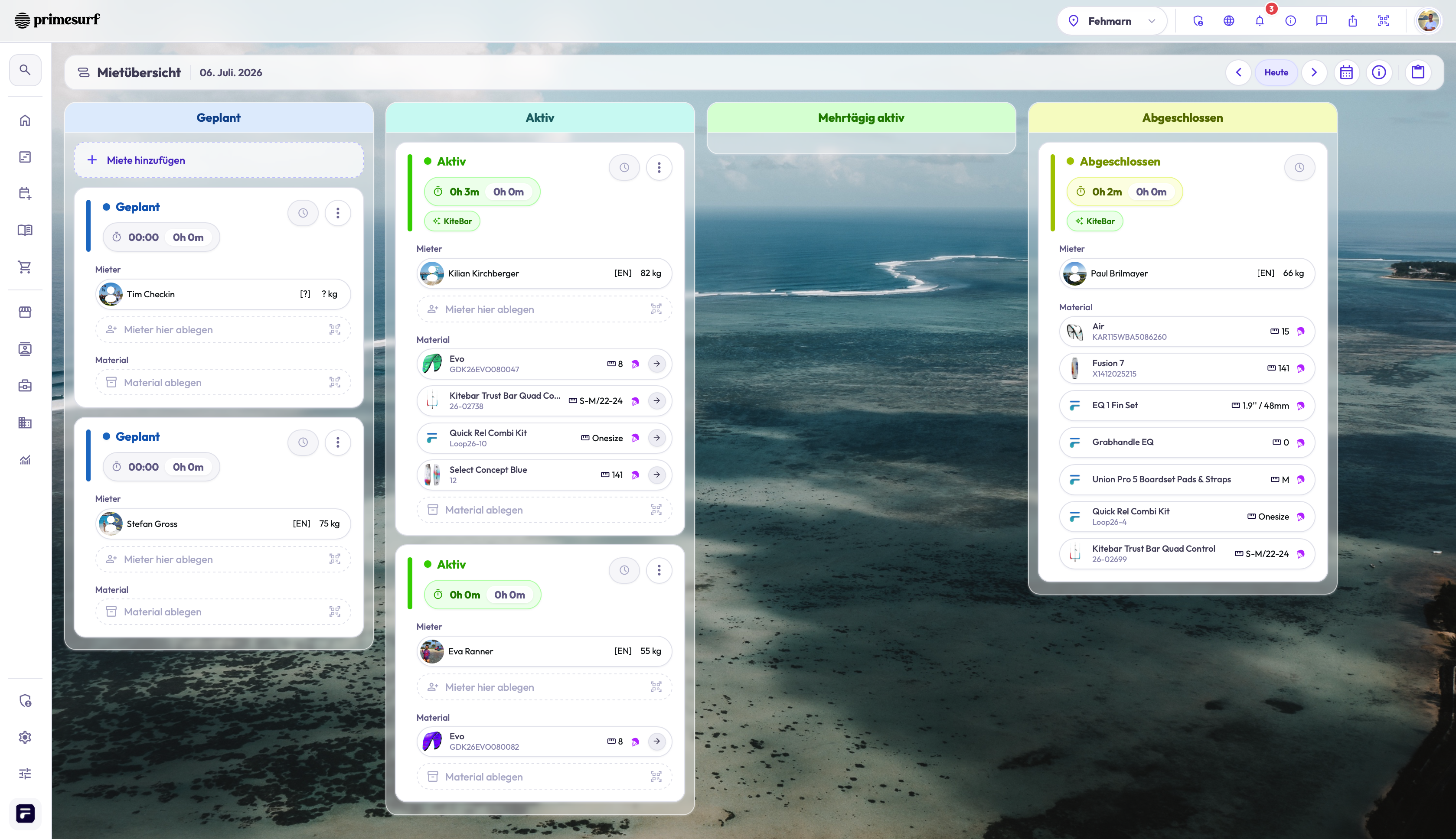
This creates structured demand.
Step 2: The school prepares
The booking creates operational work:
- student grouping,
- instructor assignment,
- equipment assignment,
- payment tracking,
- waiver status,
- check-in readiness,
- and communication.
TIDEFORCE connects these steps.
Step 3: The experience happens
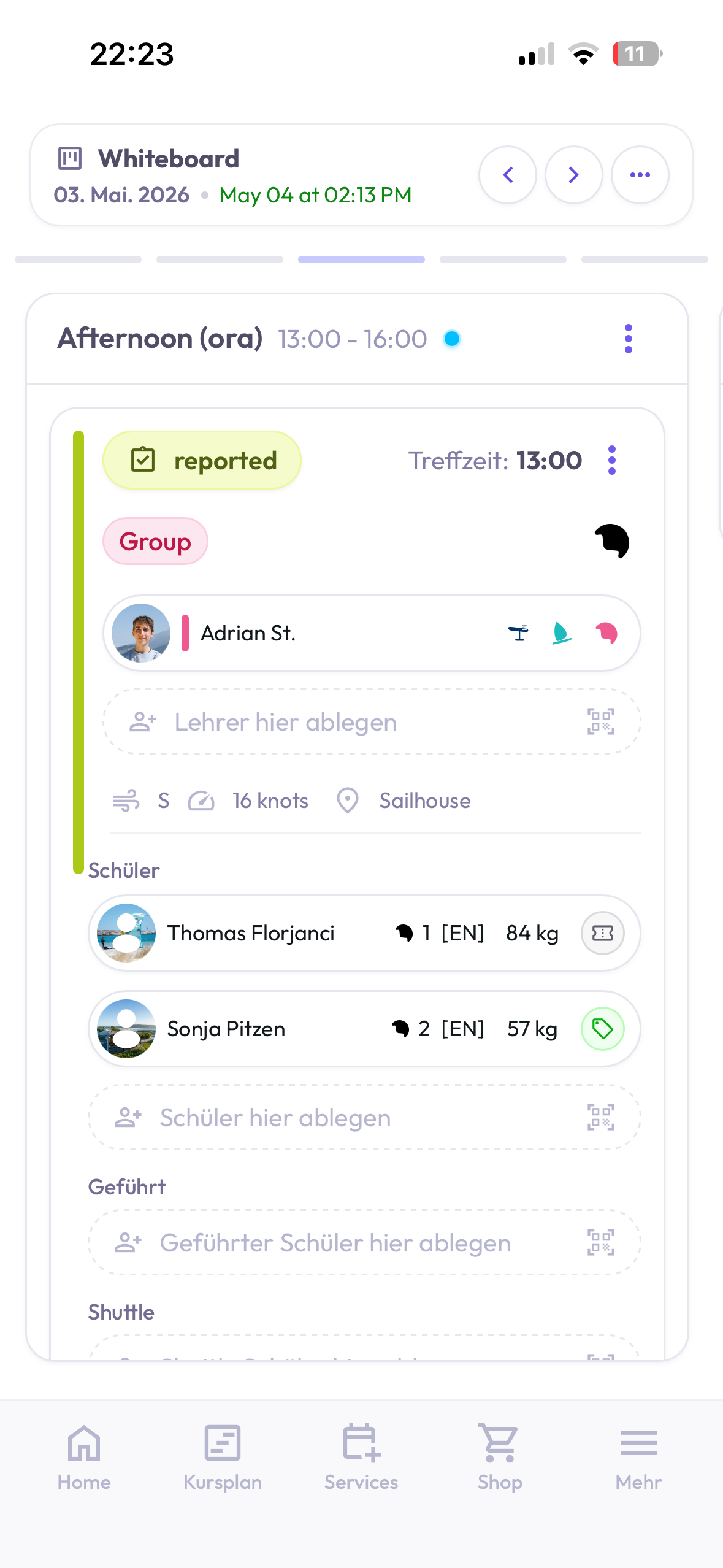
During the course or rental, the school creates real data:
- who participated,
- what was taught,
- which material was used,
- which instructor delivered the session,
- how the customer performed,
- what feedback was given,
- and what happened operationally.
Step 4: Reports create intelligence
After the session, student and instructor reports help the school understand quality, performance and completion.
This improves:
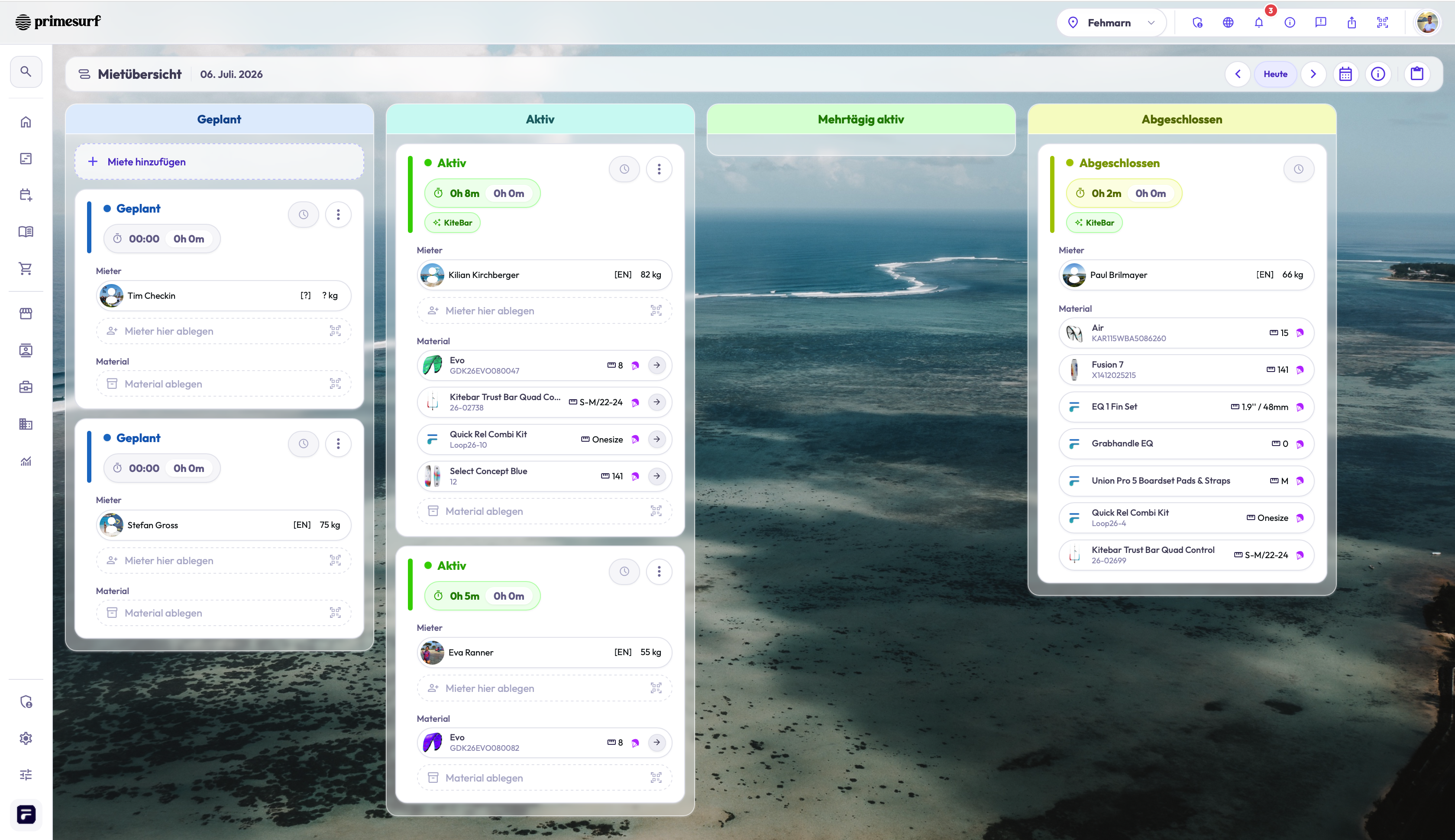
- customer experience,
- instructor visibility,
- payroll,
- material tracking,
- and operational learning.
Step 5: Inventory becomes smarter
Because the system knows which material was used, the school can track:
- hours,
- condition,
- location,
- performance,
- maintenance needs,
- and resale timing.
This turns inventory from a cost center into an asset.
Step 6: Commerce continues
The customer can receive:
- review request,
- rebooking offer,
- next-level course,
- voucher,
- shop recommendation,
- used equipment offer,
- or guidebook recommendation.
That creates repeat revenue.
Step 7: Insights improve the business
The school can see:
- booking funnel performance,
- best-performing courses,
- best-performing instructors,
- daily visit behavior,
- open payments,
- reviews,
- rental utilization,
- and inventory performance.
This helps the owner make better decisions.
The full flywheel
Booking creates operations.
Operations create data.
Data creates insights.
Insights improve the experience.
Better experiences create repeat bookings.
Repeat bookings create more data.
That is the flywheel.
Conclusion
A booking system captures transactions.
An operating system creates a learning business.
That is the TIDEFORCE difference.
TIDEFORCE turns every booking into a smarter operation.
01What is the outdoor sports school operations flywheel?
+
It is the cycle where each booking creates operations, operations create data, data creates insights, insights improve the experience, and better experiences create repeat bookings and more data.
02How does the flywheel start?
+
It starts when a customer books a course, rental, event, shuttle, accommodation request, voucher or shop product, which creates structured demand.
03How does the flywheel make inventory smarter?
+
Because the system knows which material was used, the school can track hours, condition, location, performance, maintenance needs and resale timing — turning inventory from a cost center into an asset.
04What is the difference between a booking system and an operating system?
+
A booking system captures transactions, while an operating system creates a learning business. TIDEFORCE is built to support the full operations flywheel.
05Is TIDEFORCE a marketplace?
+
No. TIDEFORCE is not marketplace-first — it helps each school build and run its own direct digital business under its own brand.
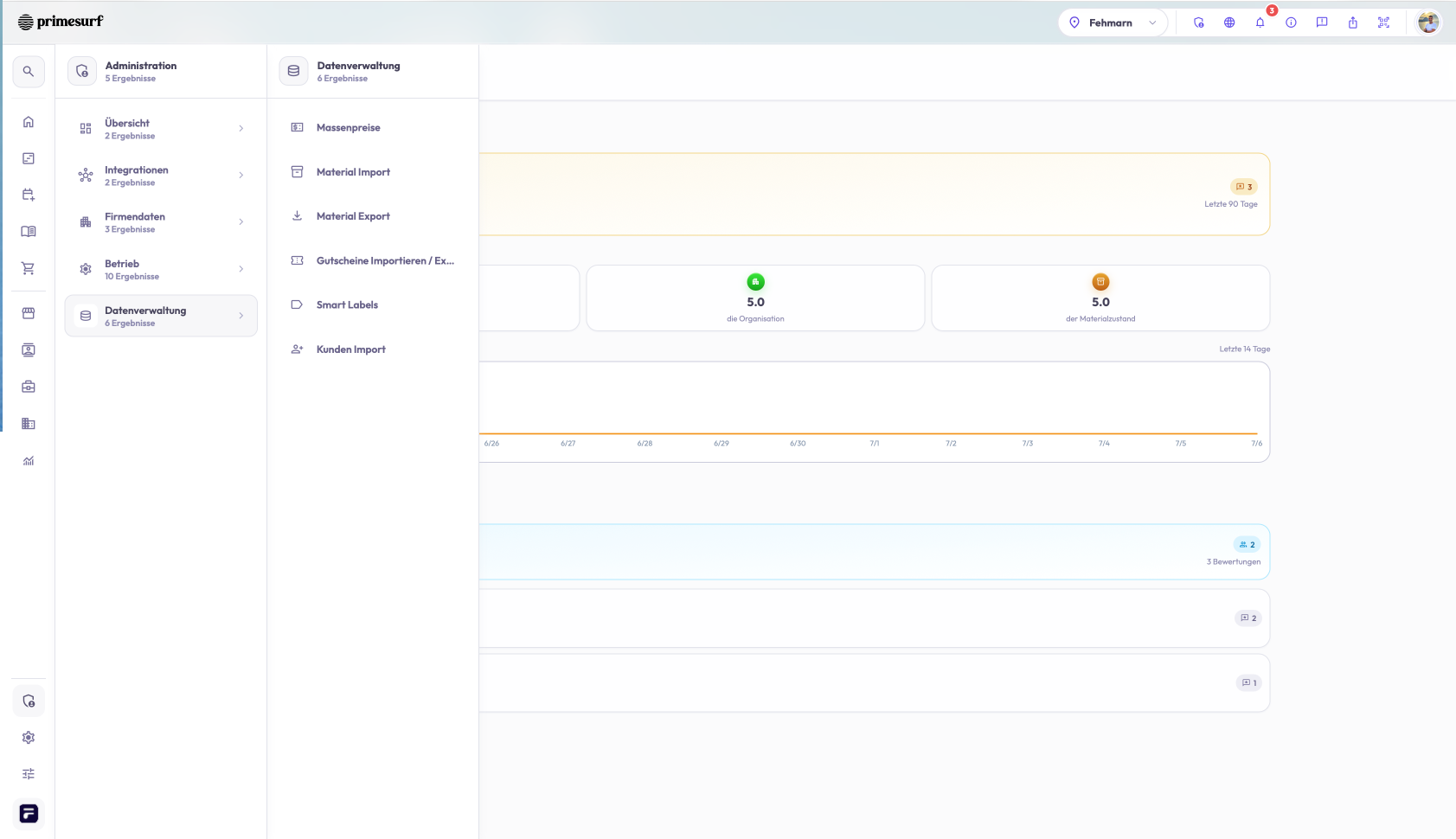
See how TIDEFORCE fits your school
In a short demo, we'll walk through your real workflows: services, booking, planning, team, guests, inventory, guidebook and shop.